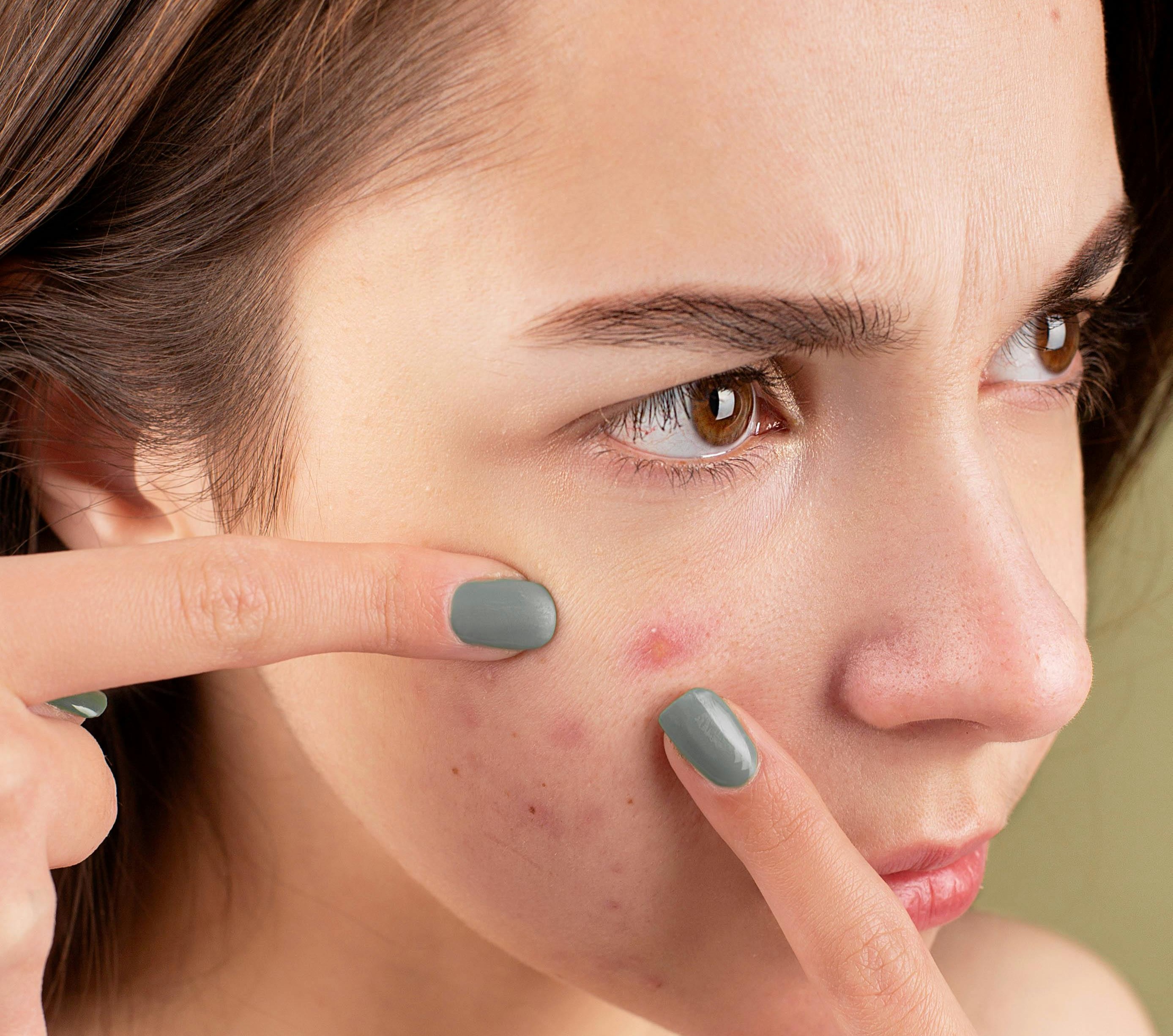
Acne may fade, but the scars it leaves behind can linger—impacting your skin’s texture, tone, and confidence. Whether you’re dealing with dark spots, pitted scars, or lingering redness, the good news is that modern skincare offers several effective options. This guide reveals how to remove acne scars—fast and naturally—with a spotlight on Nurabare’s Vitamin C Serum as a powerful part of your scar-fading routine.
How To Remove Acne Scars
Understanding the Types of Acne Scars
Before jumping into treatments, it’s important to identify the type of acne scars you’re dealing with:
Atrophic Scars: Depressions in the skin, including icepick, boxcar, and rolling scars.
Hypertrophic & Keloid Scars: Raised scars formed due to excess collagen during healing.
Post-inflammatory Hyperpigmentation (PIH): Dark or red spots that remain after acne heals.
Different scars require different treatments—so knowing your type helps target them effectively.
Best Treatments to Fade Acne Scars
1. Vitamin C Serum for Acne Scars
Vitamin C is a dermatologist-recommended antioxidant that brightens skin, evens tone, and boosts collagen. Nurabare’s Vitamin C Serum is formulated with stabilized L-ascorbic acid, hyaluronic acid, and botanical extracts—making it ideal for:
Fading dark spots
Brightening dull, scarred skin
Smoothing rough texture
Pro tip: Apply the serum daily after cleansing and before moisturizing. Consistency is key.
2. Chemical Exfoliants (AHAs and BHAs)
Glycolic Acid and Lactic Acid help peel away the top layer of skin, encouraging new, smoother skin to form.
Salicylic Acid unclogs pores and reduces inflammation, helping prevent new scars while fading old ones.
Use these 2–3 times a week to avoid irritation.
3. Retinoids (Vitamin A Derivatives)
Retinoids speed up cell turnover and fade PIH. They’re particularly useful for rolling or shallow boxcar scars. Start slow (2–3 times a week) and wear SPF daily.
4. Microneedling
This minimally invasive treatment creates tiny micro-tears in the skin to trigger collagen production. It’s effective for all atrophic scars, especially when paired with a serum like Nurabare’s post-treatment to enhance absorption.
5. Laser Resurfacing
This method removes the outer layers of skin or targets pigment. It’s one of the most intensive treatments but provides dramatic improvement for deep or uneven scars.
Natural Remedies Worth Trying
While not as potent as clinical options, these natural ingredients can support skin healing:
Rosehip Oil: Rich in vitamins A and C, it helps improve skin texture and tone.
Honey: Natural antibacterial and healing properties make it great for inflamed or healing acne marks.
Aloe Vera: Soothes the skin and promotes regeneration—ideal for fresh scars or sensitive skin.
Combine these with professional treatments for a holistic routine.
How to Prevent Future Acne Scars
The best way to fight acne scars is to prevent them:
Don’t pick or squeeze pimples.
Treat breakouts early.
Wear sunscreen daily—UV exposure darkens scars.
Use a brightening and barrier-repairing serum like Nurabare Vitamin C Serum consistently.
Final Thoughts
Acne scars don’t have to be permanent. With the right combination of treatments—like exfoliation, retinoids, and a high-quality Vitamin C serum—you can dramatically improve your skin’s clarity and smoothness. Nurabare’s Vitamin C Serum is the ideal foundation for any acne scar recovery routine, thanks to its skin-brightening and collagen-boosting formula.
Glow beyond your scars—start your skin’s recovery journey with Nurabare today.